Elderly Loneliness – Why Staying Connected is Important
Loneliness and social isolation are common concerns among older adults, but they are not the same.
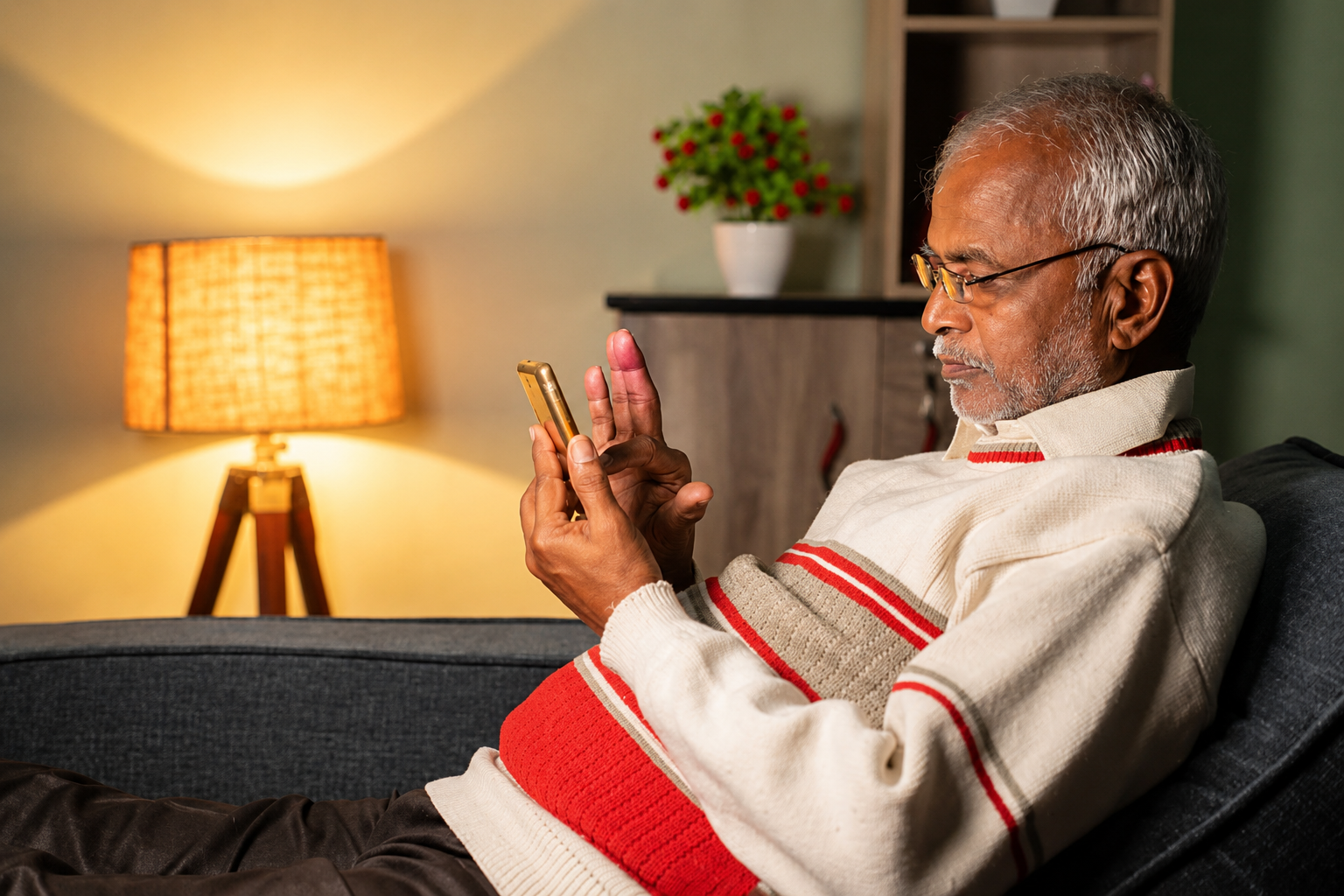
Elderly loneliness is becoming an increasingly important concern as many older adults experience reduced social interaction and fewer opportunities to build meaningful relationships. It is necessary for all human beings to stay connected through some point of contact with other people and to nurture human relationships. Being alone or being lonely even if not staying alone can and generally, does lead to the same problems of isolation.
One often hears elderly people complain that while they may be living with their family and are well looked after as to their health and physical needs, they feel “lonely”. No one has time to spend with them or talk to them. Social connections are essential in order to live happily.
Loneliness can affect health and overall wellbeing and doctors have definitively proved that loneliness and isolation can increase risks for heart disease, depression and even cognitive decline. Elders who are isolated and homebound because of ill health are very lonely. They have no avenues open to them for socializing and going out and meeting people. The situation is aggravated if they do not have friends and family dropping in to offer some emotional support and companionship.
What is the difference between elderly loneliness and social isolation?

Although the terms are often used together, loneliness and social isolation are not the same thing.
Social isolation is an objective condition. It refers to having very few social contacts, relationships, or interactions with other people. A socially isolated person may:
- Live alone.
- Have little contact with family or friends.
- Participate rarely in community or social activities.
- Have a small social network.
Social isolation can often be measured by counting social connections or frequency of contact.
Loneliness is a subjective feeling. It is the distress or sadness that comes from perceiving that one’s social relationships are not as meaningful, close, or satisfying as desired.
A lonely person may:
- Feel disconnected or misunderstood.
- Miss emotional intimacy or companionship.
- Feel alone even when surrounded by others.
Loneliness is about the quality of relationships, not simply the number of them.
Why the distinction matters
- Social isolation = being alone or having few social contacts.
- Loneliness = feeling alone or emotionally disconnected.
Researchers and geriatricians pay attention to both, because they affect health differently:
- Social isolation can reduce access to practical support, healthcare, and community resources.
- Loneliness is associated with emotional distress, depression, anxiety, sleep problems, and poorer overall well-being.
A useful way to remember: social isolation is about the number of connections you have; loneliness is about how connected you feel. For older adults, addressing social isolation may involve increasing opportunities for contact and participation, while addressing loneliness often requires fostering deeper, more meaningful relationships and a sense of belonging.
