Loneliness in Older Adults: How can feeling lonely or being isolated affects health?
Social isolation and loneliness are more than emotional challenges—they can significantly affect physical health, mental well-being, and quality of life.
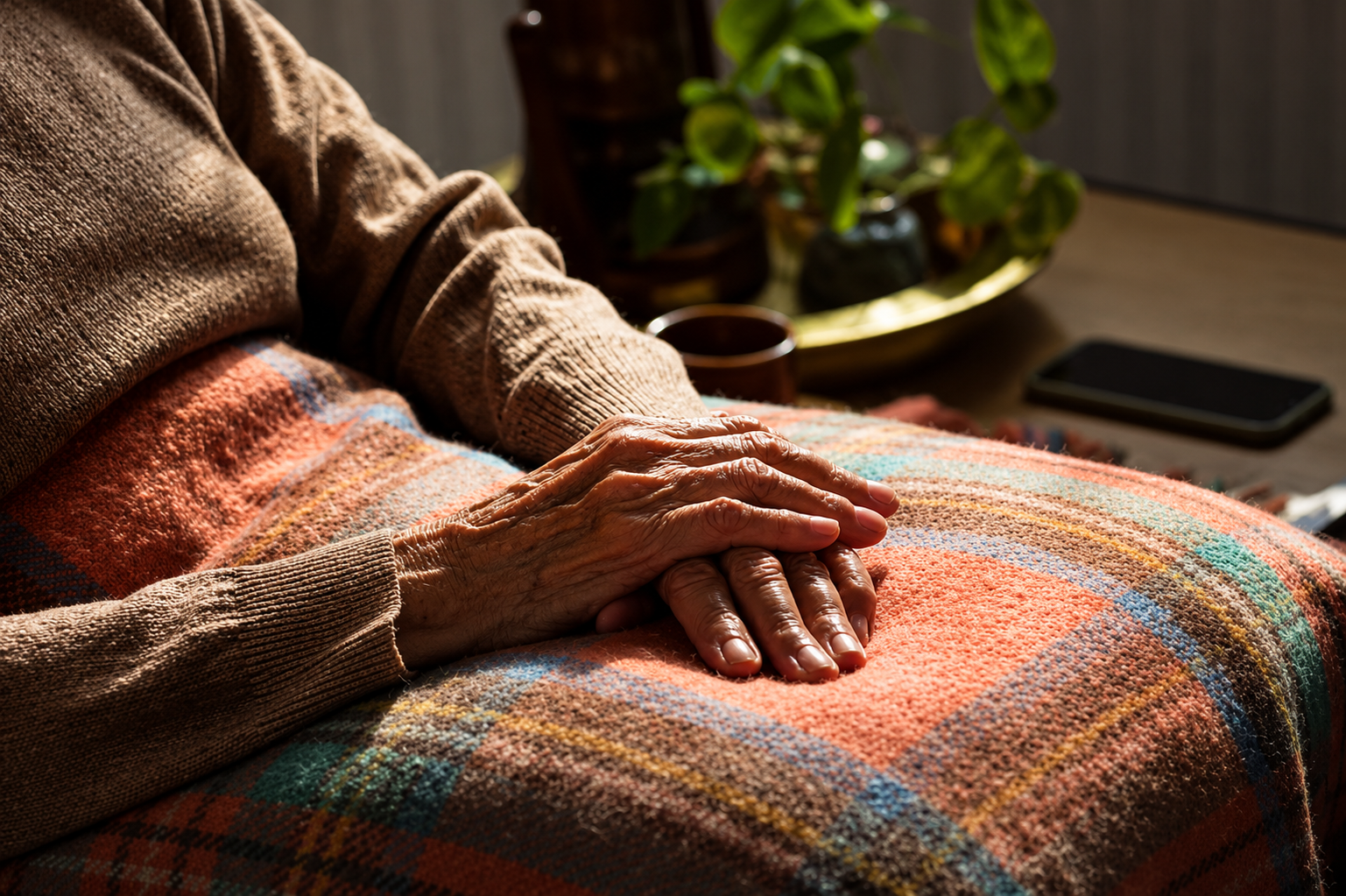
People who are socially isolated or lonely are more likely to be admitted to the emergency room or to a nursing home. Social isolation and loneliness in older adults are also associated with higher risks for:
- High blood pressure
- Heart disease
- Obesity
- Weakened immune function
- Anxiety
- Depression
- Cognitive decline
- Dementia, including Alzheimer’s disease
- Death
“Understanding the full scope and complexity of the influence of social relationships on health is challenging.”
https://www.nationalacademies.org/read/25663/chapter/2#2
“In addition to the absolute number or extent of social relationships, the quality of such relationships is also an important factor in their impact on health. Two aspects of social relationships, social isolation and loneliness, have become increasingly prominent in the scientific literature. While both social isolation and loneliness can affect health throughout the life course, this report focuses on the health impacts of social isolation and loneliness among adults aged 50 and older.
Of note, it is incorrect to assume that all older adults are isolated or lonely or that ageing, independent of other factors, causes social isolation and loneliness. Rather, older adults are at increased risk for social isolation and loneliness because they are more likely to face predisposing factors such as living alone, the loss of family or friends, chronic illness, and sensory impairments. Over a life course, social isolation and loneliness may be episodic or chronic, depending on an individual’s circumstances and perceptions.
Many approaches have been taken to improve social connections for individuals who are socially isolated or lonely, but opportunities to intervene may be most challenging for those who are at highest risk. For example, people who do not have consistent interactions with others (e.g., have unstable housing, do not belong to any social or religious groups, or do not have significant personal relationships) may never be identified in their own communities.
However, nearly all persons 50 years of age or older interact with the health care system in some way. Therefore, this report focuses on the role of the health care system as a key and relatively untapped partner in efforts to identify, prevent, and mitigate the adverse health impacts of social isolation and loneliness in older adults.”

Emotional pain can activate the same stress responses in the body as physical pain. When this goes on for a long time, it can lead to chronic inflammation (overactive or prolonged release of factors that can damage tissues) and reduced immunity (ability to fight off disease). This raises your risk of chronic diseases and can leave a person more vulnerable to some infectious diseases.”
Pinpointing risks for social isolation and loneliness
Certain factors may increase your risk of social isolation and loneliness. These include:
- Loss of mobility
- Vision or hearing problems
- Psychological or cognitive challenges
- Feeling a lack of purpose
- Financial struggles
- Living alone
- Lack of transportation
- Inability to leave home without help
- A major life change, such as the death of a family member or retirement
- Separation from friends or family
- Lack of social support
- Caring for a loved one who is unwell
- Living in a rural, unsafe, or hard-to-reach neighbourhood
- Experiencing discrimination based on age, racial or ethnic background, or sexual orientation
- Language barriers
