Preventing Falls in Elders: Tips and Prevention Strategies
Kolkata’s ageing population brings complex health challenges—from chronic disease burden to gaps in care—demanding a more structured, dignified approach to elderly care.
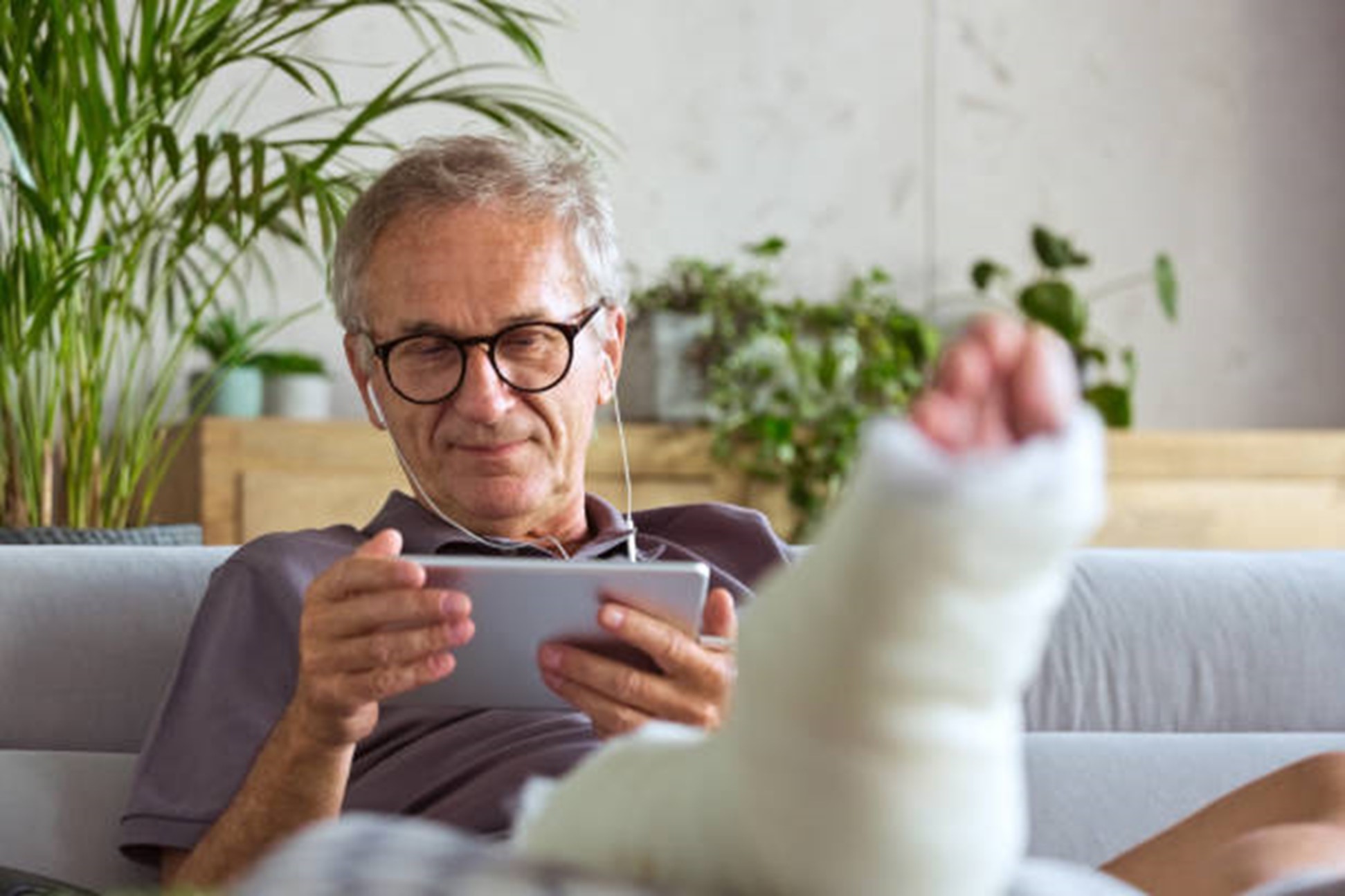
Everyone fears the news about a beloved parent falling and getting hurt. A simple fracture may be the “luckiest break”, if such a term can be used in this serious matter. Because, without a doubt, an elderly person who is over the age of 65 falling and getting severely injured may well be confined to bed or made inactive for the rest of his life.
Indeed, a simple accident like tripping on a rug or slipping on a wet floor can change the senior’s life and the family’s circumstances. Most falls cause fractured bones and this is the commonest result of a fall in elders. For the unlucky ones, a broken bone can lead to long-term health problems and even permanent disability.
Many falls can be prevented
Being careful, managing medications, checking eyesight, making the home safer – all of these steps can prevent falls or at the very least, reduce the risk of falls. However, it is also important to restore confidence. Sometimes, an elderly person may simply fear falling, without really being unstable on his or her feet or having ever fallen themselves. They may have just heard about a friend who has fallen and hurt herself badly. This fear may lead them to avoid activities such as walking, shopping, or taking part in social activities.
But staying active is important to keeping the body and mind healthy and needed, to help prevent falls. Being active and using the muscles are important to remain steady and mobile.
“What causes falls in older adults?
https://www.nia.nih.gov/health/falls-and-falls-prevention/six-tips-help-prevent-falls
Many things can cause a fall
- Your eyesight, hearing, and reflexes might not be as sharp as they were when you were younger.
- Certain conditions, such as diabetes, heart disease, or problems with your thyroid, nerves, feet, or blood vessels can affect your balance and lead to a fall.
- Conditions that cause rushed movement to the bathroom, such as incontinence, may also increase the chance of falling.
- Older adults with mild cognitive impairment or certain types of dementia are at higher risk of falling.
- Age-related loss of muscle mass (known as sarcopenia), problems with balance and gait, and blood pressure that drops too much when you get up from lying down or sitting (called postural hypotension) are all risk factors for falling.
- Foot problems that cause pain, and unsafe footwear such as backless shoes or high heels, can also increase your risk of falling.
- Some medications can increase a person’s risk of falling because they cause side effects such as dizziness or confusion. The more medications you take, the more likely you are to fall.
- Safety hazards in the home or community environment can also cause falls.”
Understanding Sarcopenia
https://my.clevelandclinic.org/health/diseases/23167-sarcopenia
“As you age, your muscles naturally change. Sarcopenia is the age-related progressive loss of muscle mass, strength and function. It can make everyday activities like walking and climbing stairs harder, and it can raise your risk of falls and fractures. But with the right exercise and nutrition plan, you can slow or even reverse its effects.
Sarcopenia is the gradual loss of muscle mass, strength and physical performance that happens with age. It affects your musculoskeletal system and can make everyday tasks — like climbing stairs or getting out of a chair — harder over time. As your muscles weaken, your risk of falls, fractures and loss of independence goes up.
The definition of sarcopenia (pronounced “Sar-ko-PEE-nee-uh”) focuses on how muscle loss affects your strength and ability to function. Experts generally define it using one or more key features:
- Low muscle mass
- Low muscle strength
- Low physical performance
In some cases, sarcopenia occurs along with a higher body mass index (BMI). This combination, called sarcopenic obesity, can raise your risk of complications more than obesity or sarcopenia alone.In 2016, sarcopenia was recognized as a specific disease with an ICD-10-CM code. This step helped distinguish sarcopenia from other conditions that cause muscle loss and made it a reportable diagnosis. As a result, awareness, research and treatment efforts have continued to grow”.
Maintain healthy bones to prevent falls
“Having healthy bones won’t necessarily prevent a fall, but if you do fall, healthy bones may help prevent serious injury, such as breaking a hip or other bones. Bone breaks and fracture can lead to a hospital or nursing home stay, long-term disability, or even death. Getting enough calcium and vitamin D can help keep your bones strong. Also, staying active. Try to get at least 150 minutes per week of physical activity.
Other ways to maintain bone health include quitting smoking and avoiding or limiting alcohol use. Tobacco and alcohol use may decrease your bone mass and increase your chance of fractures. Additionally, try to maintain a healthy weight. Being underweight increases the risk of bone loss and broken bones. Osteoporosis is a disease that weakens bones, making them thin and brittle. For people with osteoporosis, even a minor fall may be dangerous. Talk to your doctor about osteoporosis.”
https://www.nia.nih.gov/health/falls-and-falls-prevention/six-tips-help-prevent-falls
Make sure that the home environment is safe and risk-free
- “Ensure there are handrails on both sides of any stairs, and make sure they are secure. Hold the handrails when you go up or down stairs, even when you are carrying something. Don’t let anything you’re carrying block your view of the steps.
- Ensure there is good lighting with light switches at the top and bottom of stairs and on each end of a long hall. Consider using motion-activated lights that plug into electrical outlets and automatically turn on when you walk by them to help illuminate stairwells and pathways.
- Keep areas where you walk tidy. Don’t leave books, papers, clothes, or shoes on the floor or stairs.
- Check that all carpets are fixed firmly to the floor, so they won’t slip. Put no-slip strips, which you can buy at any hardware store, on tile and wooden floors.
- Don’t use throw rugs or small area rugs.
- Don’t walk on slippery, newly washed floors.
Bathrooms
- Mount grab bars near toilets and on both the inside and outside of your tub and shower.
- Place nonskid mats, strips, or carpet on all surfaces that may get wet.
- Remember to leave a light on in the bathroom at night or use a night light that turns on automatically in the dark.
Bedrooms
- Put night lights and light switches close to your bed.
- Keep a flashlight by your bed in case the power goes out and you need to get up.
- Place a landline or well-charged phone near your bed.
Kitchen
- Keep frequently used pots, pans, and kitchen utensils in a place where they are easy to reach.
- Clean up spills immediately.
- Prepare food while seated to prevent fatigue or loss of balance.
Outdoor spaces
- If you have steps leading to your front door, make sure they are not broken or uneven.
- Add non‐slip material to outdoor stairways.
- Keep the lawn, deck, or porch areas clear of debris, such as fallen branches.
- Consider installing a grab bar near the front door to provide balance while you are locking or unlocking the door.
- Turn on your porch light at night and if you leave during the day but plan on returning home after dark.
- In the winter, treat outdoor walkways with an ice melt product or sand to make them less slippery.
Other living areas
- Keep electrical cords near walls and away from walking paths.
- Arrange your furniture (especially low coffee tables) and other objects so they are not in your way when you walk.
- Make sure your sofas and chairs are the right height for you to get in and out of easily.
- Keep items you use often at waist level or within easy reach.
- Don’t stand on a chair or table to reach something that’s too high — use a “reach stick” instead or ask for help. Reach sticks are special grabbing tools that you can buy at many hardware or medical-supply stores. If you use a step stool, make sure it’s steady and has a handrail on top. Have someone stand next to you.
- Don’t let your cat or dog trip you. Know where your pet is whenever you’re standing or walking.
- Keep a list of emergency numbers in large print near each landline phone and save them under “favorites” on your mobile phone.”
https://www.nia.nih.gov/health/falls-and-falls-prevention/preventing-falls-home-room-room
