Travelling With Aging Parents: When Roles Reverse and Journeys Redefine
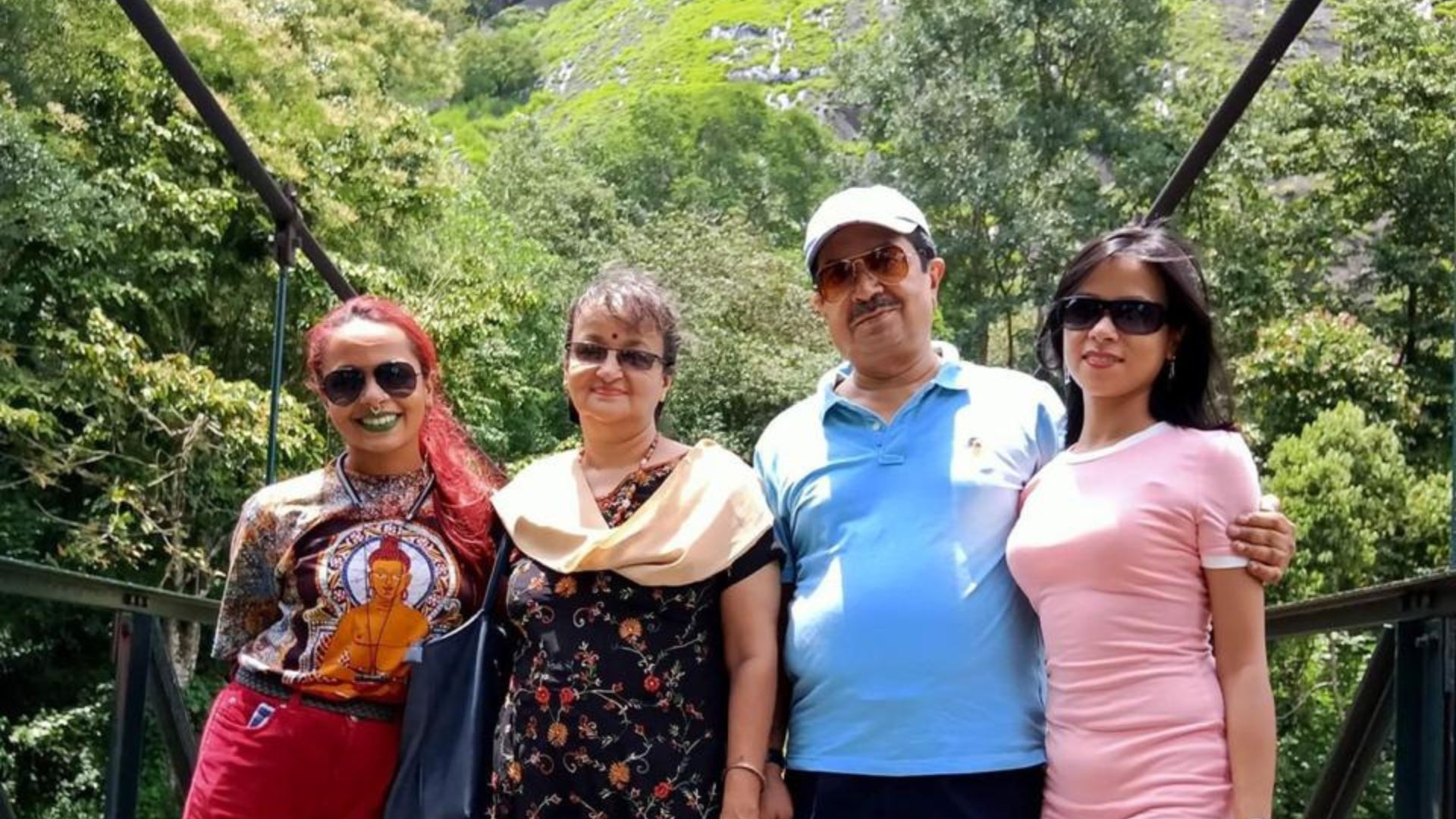
The idea of travelling has never been unfamiliar to our family. My earliest memory is of a trip to Puri during Diwali—marked less by festivity and more by fear, as the sound of firecrackers merged with the distant news of Rajiv Gandhi’s death. I must have been three. Since then, there has hardly been a year when I have stayed rooted in my hometown without venturing elsewhere. The constant in all those journeys was my father.
A doctor by profession, but a traveller at heart, he carried an instinctive love for movement and photography. Time was scarce, but whenever he could carve out a break, he ensured we left—my mother, my sister, and I—following him into landscapes that became our shared memory. Travel, in those years, was led by him, planned by him, and experienced through his pace.
What we did not notice, however, was when the axis quietly shifted.
At some point, the journeys became ours to plan. The decisions—once instinctive—became deliberate. While my parents still chose between mountains or sea, the mechanics of travel changed hands. And with that shift came a new checklist—one that had less to do with exploration and far more to do with care.
Because now, travelling with aging parents was no longer just about the destination. It was about sustainability, comfort, and dignity.
As my parents entered their senior years, both dealing with arthritis and the looming possibility of knee replacements, the logistics of travel demanded a different lens.
Transport: The Journey Before the Destination
The romance of long road trips and overnight buses faded quickly. The unpredictability of rest stops, the lack of accessible washrooms, and the physical toll of prolonged sitting made such options impractical. Even the simple act of staying seated for too long could lead to swelling, stiffness, and lingering pain.
Flights, wherever possible, became the preferred mode—not for luxury, but for efficiency. Overnight trains, particularly those offering berths to lie down, emerged as the most humane alternative. Travel began to prioritise rhythm over rush—built around the body’s limitations rather than the itinerary’s ambition.
Hotels: Redefining What “Good” Means
The idea of a “good hotel” underwent a quiet but significant transformation.
Earlier, it was about views—the promise of Kanchenjunga from the fifth floor, or a sea-facing balcony that justified the climb. Now, it is about access. Proximity to transport hubs, minimal walking distance to the main town, and the presence of elevators are no longer conveniences; they are prerequisites.
Ground floor rooms, or those with easy lift access, take precedence over aesthetics. Budgets shift accordingly—because comfort is no longer negotiable. In-house dining becomes essential, not indulgent, as meals need to be timely, light, and tailored to dietary restrictions.
Running hot water, responsive room service, and round-the-clock assistance are no longer amenities to be appreciated—they are systems of reassurance.
Pacing the Itinerary: Less – But Not Less
Perhaps the most significant shift lies in how days are structured.
Where once itineraries were packed—multiple spots, tight schedules, early starts—now they are intentionally sparse. One or two destinations a day are enough. Rest is built into the plan, not treated as a fallback. Afternoons are slower. Evenings are quieter.
There is a conscious acceptance that travel is no longer about “covering” a place, but about experiencing it without exhaustion.
Medical Preparedness: Carrying a Safety Net
Every trip now carries an invisible layer of preparedness.
Prescribed medications are packed with precision, along with backups. Basic medical kits—pain relief sprays, hot water bags, digestion aids—become essentials. Knowledge of nearby hospitals or clinics is quietly noted, even if never used. There is a bag of medicines, the size of which competes with that of toiletries for 4 people – medications for diarrhoea, constipation, fever, UTI, infection, pain, vomiting, allergies, cough, and anything that a doctor can think of under the sun – just in case. Because you can never be too safe. Because – what if.
Travel insurance, once overlooked, begins to make practical sense.
And perhaps most importantly, there is an unspoken vigilance—watching for signs of fatigue, discomfort, or strain before they escalate.
Food and Routine: The Discipline of Familiarity
Age brings with it a dependence on routine—especially when it comes to food and sleep.
Experimenting with local cuisine becomes secondary to ensuring meals are safe, digestible, and timely. Early dinners replace late-night indulgence. Hydration becomes a constant reminder.
Sleep schedules are respected, not disrupted. Because recovery now takes longer, and disruption lingers.
Emotional Geography: The Quiet Shift
Beyond logistics, there is an emotional recalibration.
Travelling with senior parents introduces a subtle but persistent awareness of fragility. There is a heightened attentiveness—not just to their needs, but to their energy, their silences, their thresholds.
At the same time, there is also a quiet beauty in this phase.
The journeys slow down, but they deepen. Conversations stretch longer. Moments are held onto more deliberately. There is less urgency to “see everything” and more inclination to simply sit—perhaps over tea, perhaps watching a view—knowing that presence itself has become the experience.
The Role Reversal: Care as Continuity
What once felt like a reversal of roles gradually reveals itself as continuity.
The same person who once ensured we were comfortable, fed, and safe in unfamiliar places now depends on us to do the same. The difference is not in the act of care, but in its direction.
And in that shift lies something profoundly grounding.
Because travelling with ageing parents is not about limitation—it is about adaptation. It is about learning that journeys do not end with age; they simply change form. And in that change, they often become more intentional, more aware, and, in many ways, more meaningful than before.
Need a professional home safety assessment?
Our team can assess your parent's home environment room by room, identify structural risks a checklist won't catch, and create a prioritised safety plan - starting at ₹999.
Book a Home Risk Audit